Commercial Interior Architecture + Design

Designing environments that help wellness and care organizations deliver the experience they promise.

We help wellness-focused organizations transform their physical environment into an intentional extension of the experience, care, and well-being they promise their clients, so they can deliver on that promise more consistently and create spaces where people feel considered, supported, and at ease.

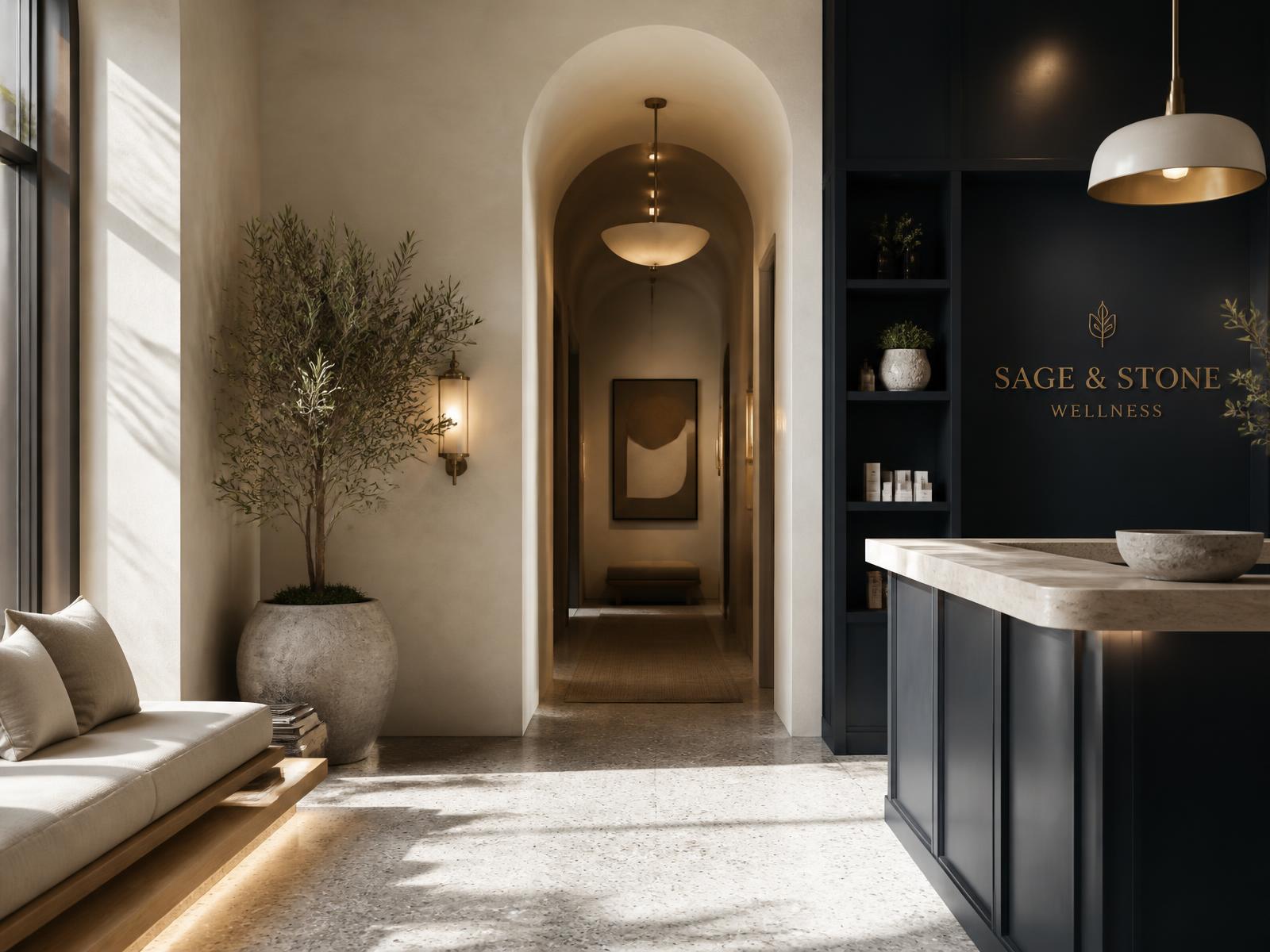
Refined commercial wellness reception with warm plaster walls, navy millwork, and layered lighting

Our point of view

Your environment is part of your service.

Before a client speaks to your team, begins treatment, starts a class, or experiences your service, the physical environment is already communicating something.

It can reinforce your promise—or create friction with it.

designelements helps organizations think intentionally about how space, sensory experience, brand, and human needs work together.

A space is never neutral.

Who we serve

Designed for organizations where experience matters.

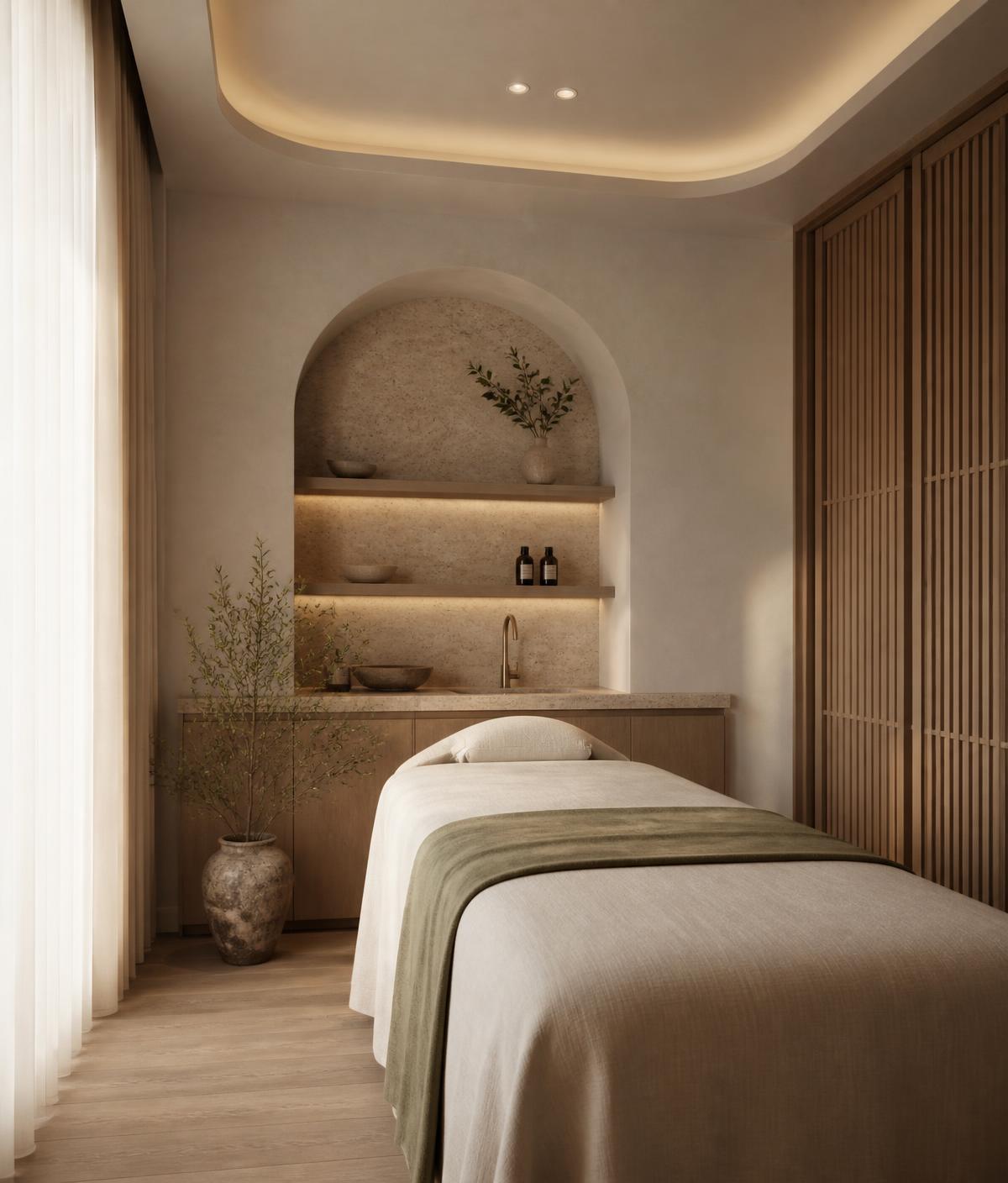
Serene treatment room with warm neutral finishes and diffused lighting

Primary focus

Wellness-Focused Organizations

We partner with wellness practices that want their environments to reflect the same level of care, intention, and quality they bring to their services.

  • Fitness + wellness
  • Spas + med spas
  • Therapy + counseling
  • Women's wellness
  • Wellness-centered healthcare
  • Multi-location wellness concepts
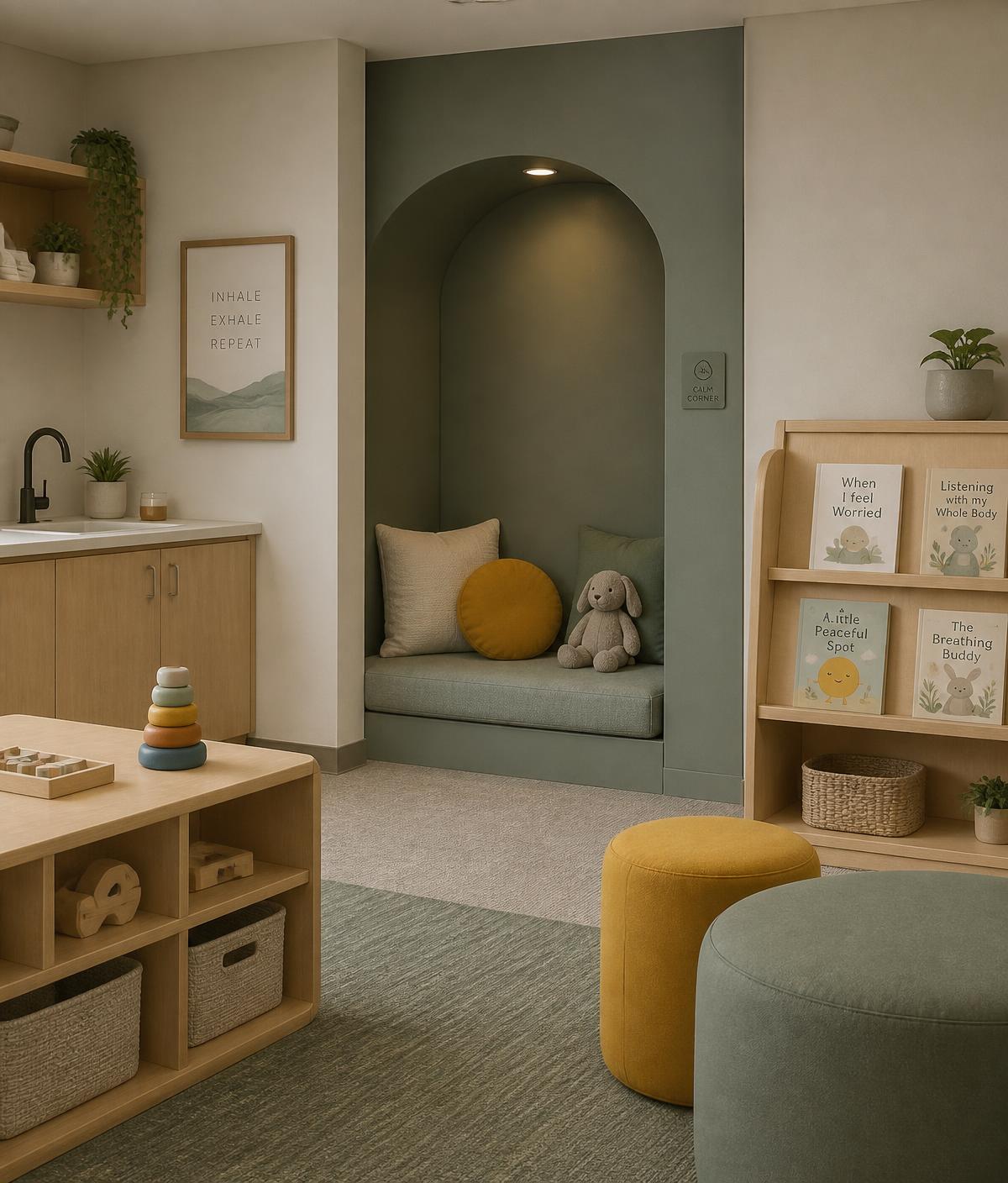
Calm pediatric therapy room with low-glare lighting and a quiet seating nook

Also served

Specialized + Neurodivergent-Focused Environments

We also bring specialized human-centered design insight to environments serving neurodivergent and other often-overlooked users.

  • Pediatric therapy
  • ABA environments
  • Behavioral health
  • Specialized education
  • Private practices
  • Specialist consulting for design teams

When to engage

The right time to think about your environment is before the expensive decisions are made.

Opening

Creating a new physical expression of your brand from the ground up.

Expanding

Making sure added services or locations still feel connected to the experience you promise.

Relocating

Using a move as an opportunity to improve the way the environment works.

Renovating

Identifying what needs to change before investing in finishes, furniture, or construction.

Growing to Multiple Locations

Creating environmental consistency without making every location identical.

Repositioning

Aligning the space with an evolving brand, market position, or customer experience.

The shift

A beautiful space is not automatically an effective space.

A space can look polished and still create unnecessary friction. Intentional design starts by asking a different set of questions.

01

Where friction shows up

  • Confusing circulation
  • Sensory overload
  • Inconsistent brand expression
  • Environments disconnected from the service
  • Overlooked end-user needs
  • A space that contradicts the organization's promise
02

The questions we ask instead

  1. How should people feel here?
  2. What should this environment help people do?
  3. What causes unnecessary stress or friction?
  4. What does the space communicate about the brand?
  5. What does the end user need?
  6. What should remain consistent as the organization grows?

Services

A clear path from insight to implementation.

01

Environment + Experience Audit

A strategic diagnostic for organizations that need clarity before making design decisions.

  • Stakeholder discovery
  • Environmental assessment
  • Experience review
  • Brand alignment
  • Prioritized recommendations

Starting at $2,500

02

Full-Service Commercial Design

End-to-end interior architecture and design for organizations ready to create or transform their physical environment.

  • Programming and space planning
  • Concept development
  • Materials and lighting
  • FF&E and documentation
  • Consultant coordination and oversight

Projects starting at $15,000

03

Specialist Consulting

Focused expertise for organizations and design teams that need strategic guidance without full project execution.

  • Wellness strategy
  • Sensory experience
  • Neuro-inclusive design
  • Design reviews
  • Materials and environmental recommendations

Engagements starting at $3,500

Process

Design begins with understanding.

  1. 1

    Listen

    Understand the organization, the people using the space, the challenges, and the intended experience.

  2. 2

    Diagnose

    Identify where the environment is supporting—or working against—the desired outcome.

  3. 3

    Define

    Establish design priorities, principles, and a clear path forward.

  4. 4

    Design

    Translate strategy into spatial, sensory, material, and visual decisions.

  5. 5

    Deliver

    Coordinate implementation while protecting the integrity of the design intent.

Differentiation

Design informed by more than design.

Tyneir Bethea's perspective has been shaped by psychology, special education, healthcare, advocacy, and interior architecture.

That background changes the questions she asks and the people she notices.

designelements approaches the built environment through the lens of the human beings who will ultimately experience it.

  1. 01Psychology
  2. 02Special Education
  3. 03Interior Architecture
  4. 04Healthcare
  5. 05Advocacy
  6. 06Human-Centered Environments

Design principles

Intentional environments consider the whole experience.

Human Consideration

Design begins by understanding the people who will experience the environment.

Intentional Wellness

Well-being is translated into tangible design choices—not reduced to an aesthetic trend.

Sensory Experience

Lighting, texture, color, materiality, acoustics, scale, and spatial cues shape experience.

Purpose + Brand Alignment

The physical environment should reinforce what the organization promises.

Evidence + Expertise

Recommendations combine professional design judgment, stakeholder insight, and relevant evidence-informed principles.

Start here

Planning a new space, expansion, renovation, or next location?

Before making expensive design decisions, make sure your environment is aligned with the experience you want to create.